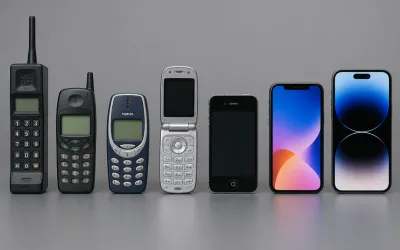

Mass-produced technology has evolved significantly over the past 200 years. As the industrial revolution increased production rates throughout the western world, many people experienced increased standards of living. The following guide explores how mass technology has impacted society over the past two centuries.
Mass technology includes all devices that can be purchased by the average consumer. While many people consider smart phones and tablets to be revolutionary, they are only two of many significant advances.
For example, there were no refrigerators available 150 years ago. It was impossible to freeze or preserve food for long periods of time. In many cases, perishable goods were placed in special buildings that were located in a creek or river. As water flowed through the building, it would cool down everything that was inside. It also wasn’t possible to freeze any foods for later consumption; everything had to be dried for later use. While curing meat with salt and other preservatives could allow it be eaten months later, it was often not very hygienic. In addition, salting a meat can introduce dangerous levels of sodium into one’s diet.
In addition, electricity wasn’t available to the common man 100 years ago. While electricity was available for high-income families, it was a luxury that wouldn’t become popular until 1930. Up to that year, most people relied on candles, oil lamps and regular daylight.
Some advances in technology may not seem like they are technology at all. For example, screen doors did not exist 100 years ago. While this may seem like a minor inconvenience, it’s important to understand how the lack of screen doors could impact one’s health. During the summer months, there was no access to air conditioning systems. Many people would open doors and windows to enjoy a cooler climate. While this could be a good way to cool down, it would often allow mosquitoes and other pests into one’s home.
One hundred years ago, there was still malaria in the United States. Getting bitten by a mosquito could result in one’s death. While open windows are nice, they could increase one’s risk of mosquito bites. Screen doors were able to reduce the number of mosquito deaths in many parts of the developing United States.
In addition, technology includes advances in healthcare like penicillin. Without penicillin, millions of people would have died from common diseases and infections. Many common diseases and infections would result in one’s death. For example, the most common cause of death 150 years ago was an infectious disease. The average lifespan in the United States was less than 50. With advances in technology, all of that has changed.
Mass technology has improved the lives of billions of people.